The Alliance for Research Collaboration (ARC) operates through thematic research groups that coordinate efforts, share knowledge, and implement evidence-informed projects. Members may participate in multiple groups depending on their expertise and interests.
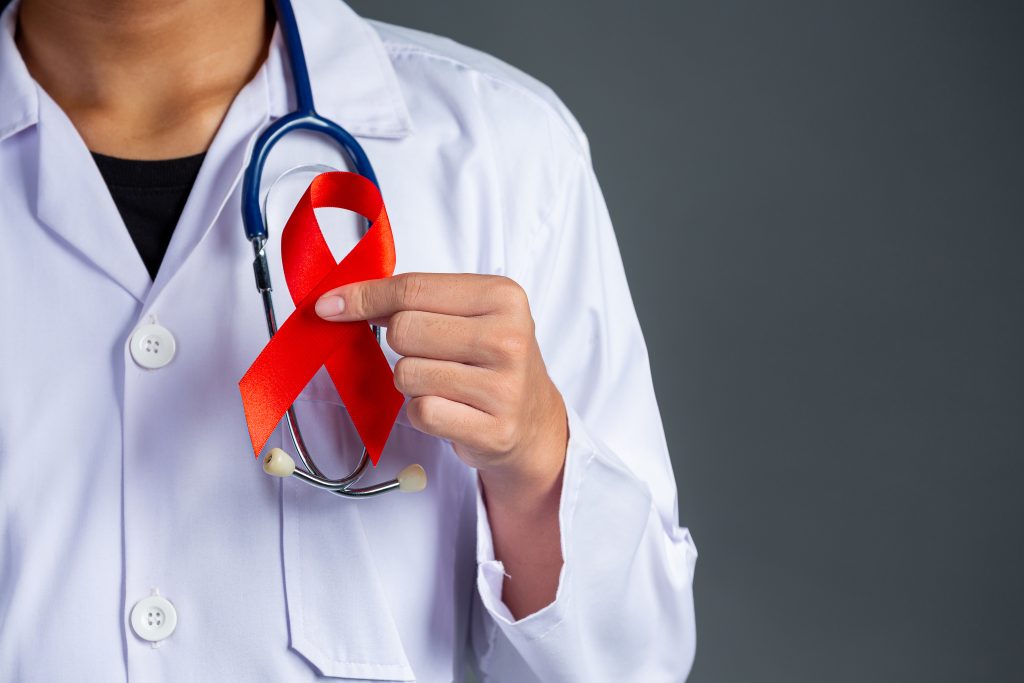
Drives collaborative research on HIV and TB co-epidemics – improving prevention, treatment integration, and care delivery for these infectious diseases.
Strengthening health systems for integrated HIV/TB services, reducing stigma, and addressing social factors that affect treatment adherence.
Sexual Health & STIs:
Focuses on combatting sexually transmitted infections (STIs) and improving overall sexual and reproductive health (especially for youth and vulnerable groups). This group develops evidence for effective education, prevention, and care models for STIs.
Youth engagement and education, gender norms, and linkages to HIV prevention efforts.
Maternal & Child Health and Nutrition:
Concentrates on research to improve maternal, neonatal, and child health outcomes, including nutrition interventions. Priorities include safer motherhood, child survival, and combating malnutrition.
Health equity (reaching underserved mothers and children), community health worker programs, and connections between nutrition, food security, and early childhood development.
Food Security
Explores the links between food security and health, generating evidence on how nutrition, agriculture, and livelihoods impact community wellness. This group informs programs that address hunger and sustenance in the population.
Poverty reduction, sustainable community gardening/agriculture initiatives, and policies for nutrition support (especially as they affect maternal/child health).
Gender-Based Violence & Femicide (GBVF):
Addresses the urgent issue of gender-based violence, including femicide, through research that informs prevention and response strategies. It evaluates interventions that protect survivors and educates communities.
Gender equality and empowerment, legal and policy frameworks, and the mental health consequences for survivors (linking with the Mental Health group).
Mental Health
Aims to improve understanding and treatment of mental health conditions in the community. This group researches accessible models of mental health care, integration of mental health into primary health services, and community-based support systems.
Reducing stigma, the relationship between mental health and substance abuse (in partnership with the SUD group), and psychosocial support in contexts of violence or trauma.
Substance Use Disorders (SUD):
Focuses on research around alcohol and drug use prevention, treatment, and harm reduction. It supports evidence-based approaches to address substance abuse in communities (e.g., youth programs, rehabilitation services).
Links between substance abuse and mental health or GBV, community awareness and prevention education, and policy advocacy for effective addiction services.